When a shipment goes wrong, it rarely goes wrong for one reason. A factory ran short of a component. A port was congested. A storm closed a route. A carrier's truck arrived late, so the next leg missed its window. By the time a planner notices, the damage has spread down the chain. Forecasting tools try to move the moment of noticing earlier, ideally to before the problem lands.
The trouble is that "supply chain forecasting" hides four separate questions, each answered by a different kind of tool: how much will we need, when will it arrive, what could go wrong, and what will it cost to move. This guide separates them, compares five well-known platforms, and shows how to judge a forecast, which is harder than it sounds. It focuses on planning, visibility, risk, and freight cost. If your main question is how much stock to hold, our guide to inventory and demand forecasting tools covers Netstock, Inventory Planner, Blue Yonder, o9 Solutions, and Afresh, so we do not repeat them here.
In this article
- Four Questions, Four Kinds of Tool
- Kinaxis: Planning That Reacts to Change
- project44: Predictive Shipment Visibility
- FourKites: Another Route to Real-Time Visibility
- Everstream Analytics: Watching for Disruption
- Freightos: Freight Booking and Rate Benchmarks
- Quick Comparison
- How to Judge a Forecast
- Where Forecasts Break Down
- Getting the Data Ready
- Questions for Every Vendor
- Frequently Asked Questions
- What is the difference between visibility and forecasting?
- Do small businesses need these tools?
- How accurate are AI arrival predictions?
- Can AI predict supply chain disruptions?
- Final Verdict
General information, not financial or operational advice. Forecasts are estimates, not guarantees. Test any tool against your own history before you base purchasing, contracts, or customer promises on its output.
A forecast is only useful if you know how wrong it tends to be.
Four Questions, Four Kinds of Tool
How much, and where? Planning software combines demand, supply, and capacity to decide what to make, buy, and move.
When will it arrive? Visibility platforms track shipments across carriers and predict arrival times, so late deliveries are flagged early.
What could go wrong? Risk platforms watch suppliers, weather, and world events for signs of disruption.
What will it cost? Freight marketplaces and rate benchmarks show what moving goods costs today and how prices are trending.
Most organizations lean on two or three of these. A manufacturer may care most about planning and risk. A retailer may care most about arrival times and freight cost.
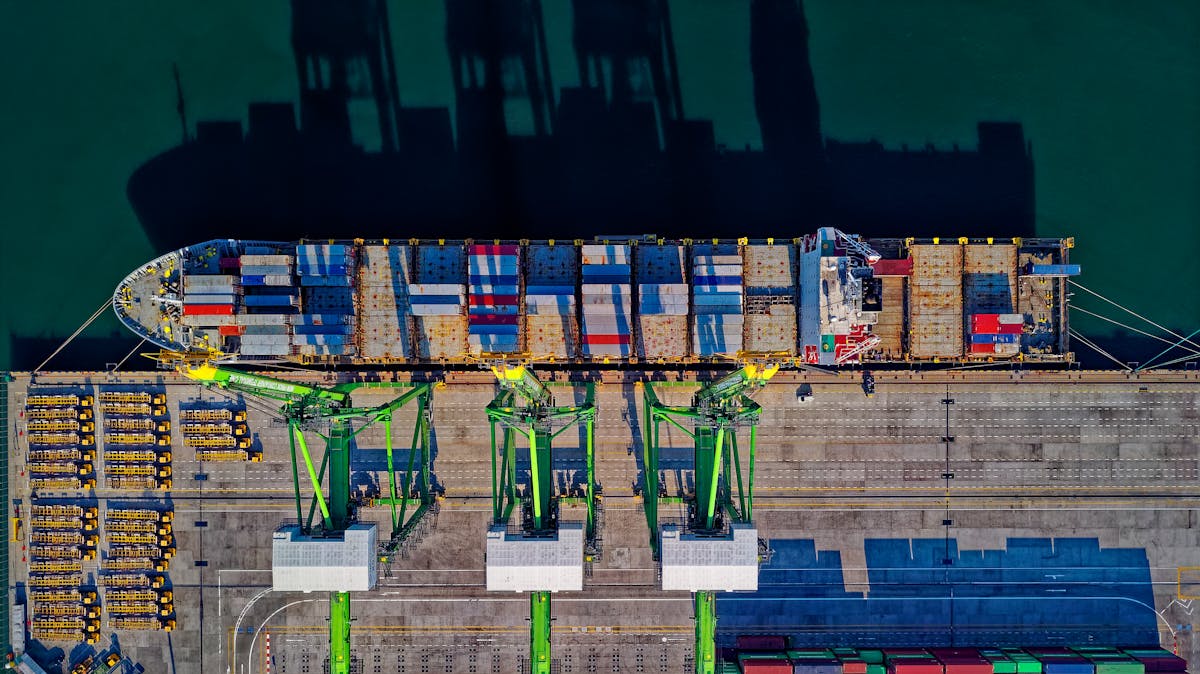
Kinaxis: Planning That Reacts to Change
Kinaxis offers supply chain planning software designed to let teams model demand, supply, and capacity together and rerun scenarios quickly. When a supplier slips or demand shifts, planners can test responses rather than wait for the next planning cycle.
- Best for: larger manufacturers and distributors coordinating many products, sites, and suppliers.
- Strength: the speed of scenario planning, which turns "what if" into a same-day question.
- Watch for: enterprise planning takes real implementation effort, clean master data, and buy-in across teams. Ask for a realistic timeline and what your team must provide.
project44: Predictive Shipment Visibility
project44 connects data from carriers and other sources to give shippers a live view of shipments, with predicted arrival times that update as conditions change.
- Best for: shippers and logistics providers moving freight across many carriers and modes.
- Strength: one view across carriers, plus early warnings when a shipment is likely to be late.
- Watch for: a prediction depends on the data feeding it. Ask about coverage on your lanes and how accurate arrival predictions have been for customers like you.
FourKites: Another Route to Real-Time Visibility
FourKites plays in the same visibility space, offering real-time tracking and predictive arrival estimates across transportation networks.
- Best for: shippers and carriers that want live tracking and estimates across their network.
- Strength: established visibility capabilities with a focus on real-time data.
- Watch for: project44 and FourKites are close competitors, and the differences that matter tend to be carrier coverage on your specific lanes, integration with your systems, and the quality of support. Trial both on real shipments if you can.
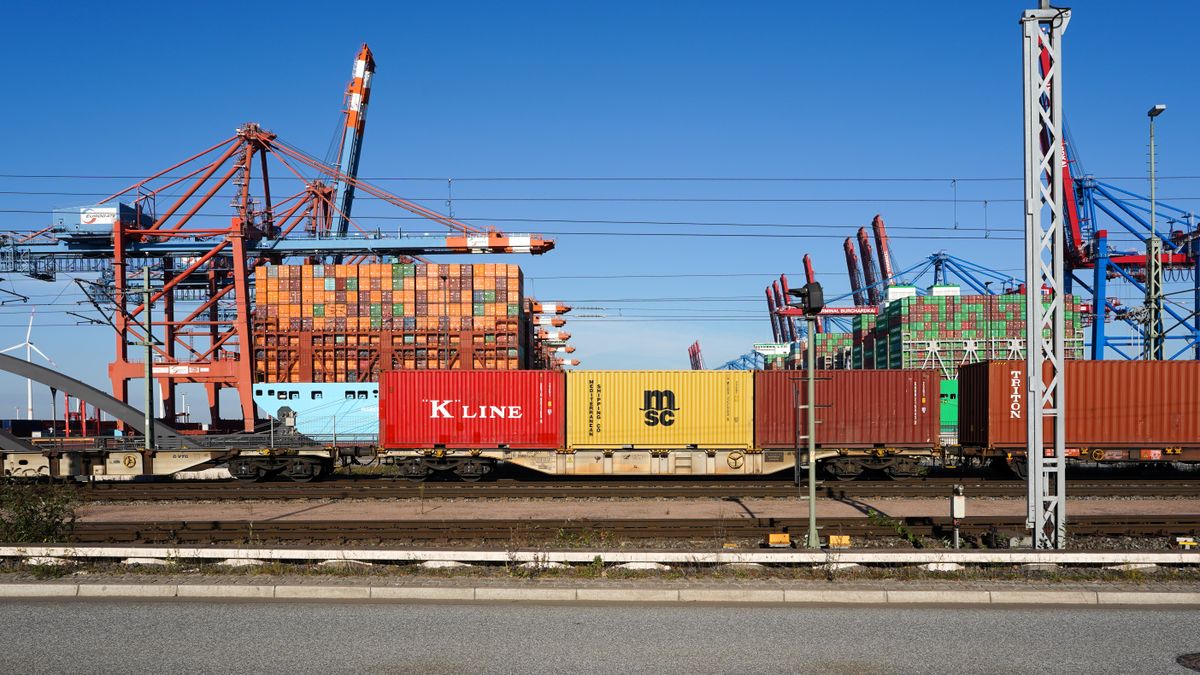
Everstream Analytics: Watching for Disruption
Everstream Analytics provides supply chain risk intelligence. It monitors suppliers, weather, and world events to help companies spot potential disruptions, such as factory shutdowns, port delays, or severe weather, before they hit.
- Best for: companies with complex, global supplier networks that need early warning.
- Strength: looking outward at events and suppliers, a view internal systems often lack.
- Watch for: risk alerts can be numerous. Ask how alerts are prioritized to your suppliers and what a useful response process looks like.
Freightos: Freight Booking and Rate Benchmarks
Freightos operates a digital platform for booking international freight and is known for publishing benchmark indexes for ocean and air freight rates, which many companies follow to understand price trends.
- Best for: importers, exporters, and forwarders who want price visibility and an online way to compare and book freight.
- Strength: rate transparency in a market where prices swing widely.
- Watch for: benchmarks show market trends, not your negotiated rate. Compare quotes carefully, including fees and transit times.
Quick Comparison
| Tool | Question it answers | Best for | Watch out for |
|---|---|---|---|
| Kinaxis | How much, and where | Complex multi-site planning | Implementation effort |
| project44 | When will it arrive | Multi-carrier freight | Coverage on your lanes |
| FourKites | When will it arrive | Real-time network visibility | Compare with project44 on your data |
| Everstream Analytics | What could go wrong | Global supplier networks | Alert volume and prioritization |
| Freightos | What will it cost | International freight pricing | Benchmarks are not your rates |
How to Judge a Forecast
Forecasting vendors love to quote accuracy. Here is how to test it properly.
- Backtest on your own history. Ask the vendor to forecast a past period using only data available at the time, then compare with what happened.
- Measure the error, not just the average. A tool that is usually right but occasionally wildly wrong may be more dangerous than one that is consistently a little off.
- Compare with a simple baseline. If last year's numbers or a basic average do almost as well, the fancy model is not adding much.
- Check the confidence range. A good tool tells you how uncertain it is. A single confident number with no range is a warning sign.
- Test the exceptions. Promotions, new products, port strikes, and weather events are where forecasts fail. Ask how the tool handles them.
- Track over time. Accuracy can drift. Review it monthly and note when it gets worse.
Where Forecasts Break Down
- New products and new suppliers. No history means little to learn from.
- Rare events. Pandemics, blockades, and sudden trade rules do not resemble the past.
- Bad master data. Wrong lead times, units, or supplier records quietly poison the output.
- Bullwhip effects. Small demand swings amplify as they travel upstream, and models trained on distorted signals can amplify them further.
- Human overrides. People adjust forecasts for good and bad reasons. Track whether overrides improve or worsen accuracy.
Getting the Data Ready
Every tool in this guide depends on the same foundation:
- Clean product and supplier records. Consistent names, units, and identifiers.
- Reliable lead times. Actual, not promised.
- Integration with your systems. Enterprise resource planning, warehouse, and transport systems should feed the tool automatically.
- A named owner. Someone must be responsible for data quality and for acting on the outputs.
Questions for Every Vendor
- What data do you need from us, and how long does integration usually take?
- How do you measure forecast accuracy, and can we see results for a customer like us?
- How do you handle events with no history, such as new products or disruptions?
- How are alerts prioritized so our team is not flooded?
- What does the first ninety days look like?
- Can we export our data and models if we leave?
Frequently Asked Questions
What is the difference between visibility and forecasting?
Visibility shows where shipments are and predicts arrival times. Forecasting more broadly estimates future demand, supply, risk, or cost. Visibility platforms include a forecasting element, the predicted arrival, but they are not planning tools.
Do small businesses need these tools?
Most of the platforms here are aimed at mid-sized and larger organizations with complex networks. Smaller businesses often do better with lighter tools, such as inventory planners or freight marketplaces, and should check pricing and minimums first.
How accurate are AI arrival predictions?
Accuracy varies by mode, lane, data quality, and carrier participation. Ask vendors for results on lanes similar to yours, and measure it yourself in a trial.
Can AI predict supply chain disruptions?
It can flag signals, such as supplier trouble, severe weather, or port congestion, earlier than manual monitoring. It cannot predict truly novel events, so contingency planning still matters.
Final Verdict
Start with the question you most need answered. For planning across sites and suppliers, look at Kinaxis. For knowing when shipments will arrive, look at project44 and FourKites. For early warning on disruption, look at Everstream Analytics. For freight pricing, look at Freightos. And if the question is how much stock to hold, see our inventory forecasting guide.
Whatever you choose, backtest on your own history, ask about the exceptions, and put a named person in charge of acting on what the tool says. Explore all options with community votes in the AIPick Logistics and Agriculture category, and see how forecasting fits with fleet and farming tools in our guide to AI for supply chain, fleet, and agriculture.