Most people do not fail at fitness because they picked the wrong exercises. They fail because the plan did not fit their life: too long, too complicated, too lonely, or too easy to skip. A perfect program you abandon in three weeks loses to a decent one you keep for a year.
That is the real question behind fitness apps. Do you need structure, accountability, variety, or a person to answer to? This guide skips the usual feature checklist and organizes five well-known apps by the type of person each one suits, then covers what an app cannot do and how to choose without wasting a month of subscription fees.
In this article
- First, Which Type of Trainee Are You?
- Fitbod: For the Lifter
- Freeletics: For the Bodyweight and Home Trainer
- Future: For the Accountability Seeker
- Runna: For the Runner
- Aaptiv: For the Audio Person
- Quick Comparison
- What an App Cannot Do
- A Simple Way to Choose
- Building a Routine That Lasts
- Frequently Asked Questions
- Are AI fitness apps as good as a personal trainer?
- Which app is best for beginners?
- Can I use more than one app?
- Do I need a wearable to use these apps?
- Final Verdict
General information, not medical advice. If you have a health condition, an injury, or have been inactive for a long time, check with a doctor before starting a new exercise program. Stop and seek advice if something hurts in a way that feels wrong.
The best fitness app is not the smartest one. It is the one that matches how you actually like to train.
First, Which Type of Trainee Are You?
Before comparing apps, be honest about which of these sounds most like you:
- The lifter who wants progressive strength training and does not want to plan sessions.
- The bodyweight and home trainer with little equipment and limited time.
- The accountability seeker who trains harder when someone is watching.
- The runner training toward a distance or race.
- The audio person who likes being talked through a workout like a class.
Each app below leans toward one of these.
Fitbod: For the Lifter
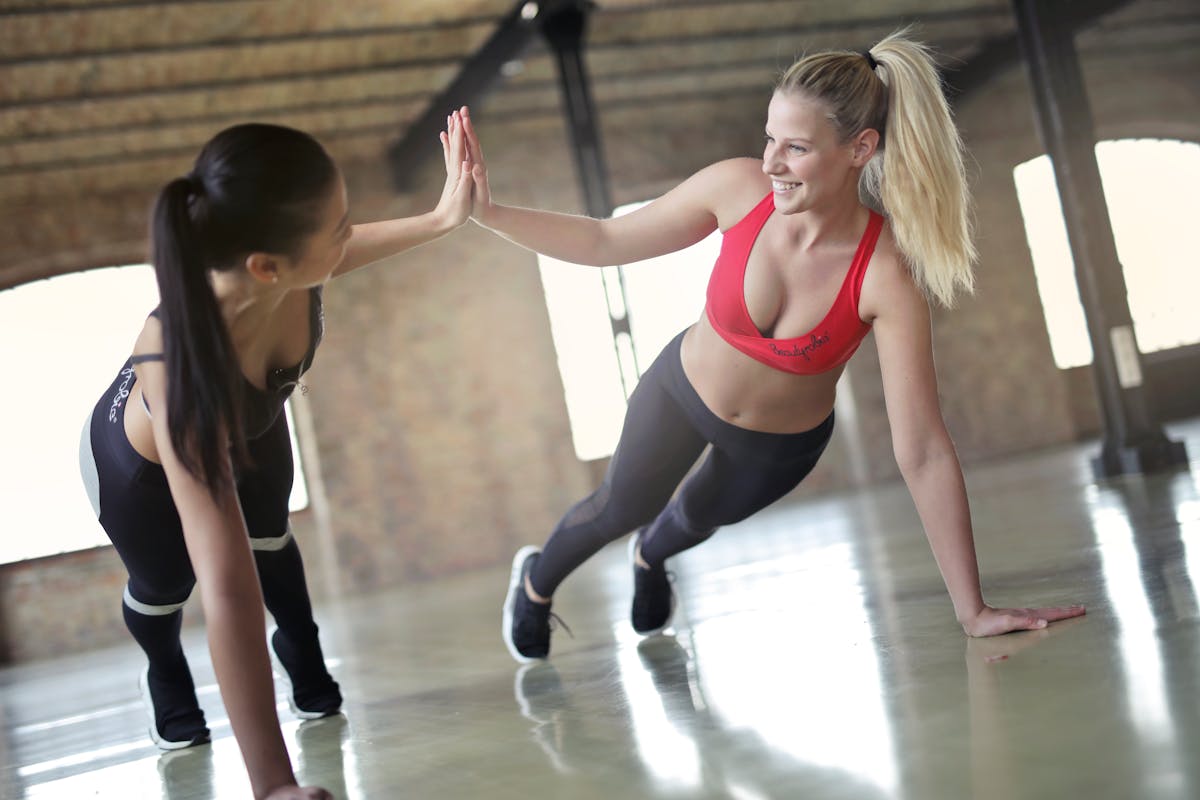
Fitbod generates strength workouts based on your goals, the equipment you have, and what you have logged. As you record sets and weights, it adjusts what it suggests next, so you are not deciding from scratch every session.
- Best for: people who lift weights and want structure without paying for a personal trainer.
- Strength: the plan adapts to your history, and it works for both gym and limited-equipment setups.
- Watch for: it can suggest exercises, but it cannot watch your form. Learn technique from a qualified source, and use lighter loads while you learn.
Freeletics: For the Bodyweight and Home Trainer
Freeletics is built around workouts that mostly need little or no equipment, with an AI-driven coach that personalizes plans and aims to keep training varied.
- Best for: people training at home or traveling who want intensity without a gym.
- Strength: minimal equipment and quick sessions that fit busy schedules.
- Watch for: high-intensity bodyweight work can be tough on beginners. Start conservatively, and scale movements down as needed.
Future: For the Accountability Seeker
Future pairs you with a human coach who builds your workouts and checks in through the app. The technology handles delivery and tracking, but a real person keeps you on the hook.
- Best for: people who know what to do but struggle to stay consistent.
- Strength: human accountability, which many people find is the missing ingredient.
- Watch for: personal coaching usually costs considerably more than app-only options. Ask what you get for the price, and how quickly you can change coaches or cancel.
Runna: For the Runner
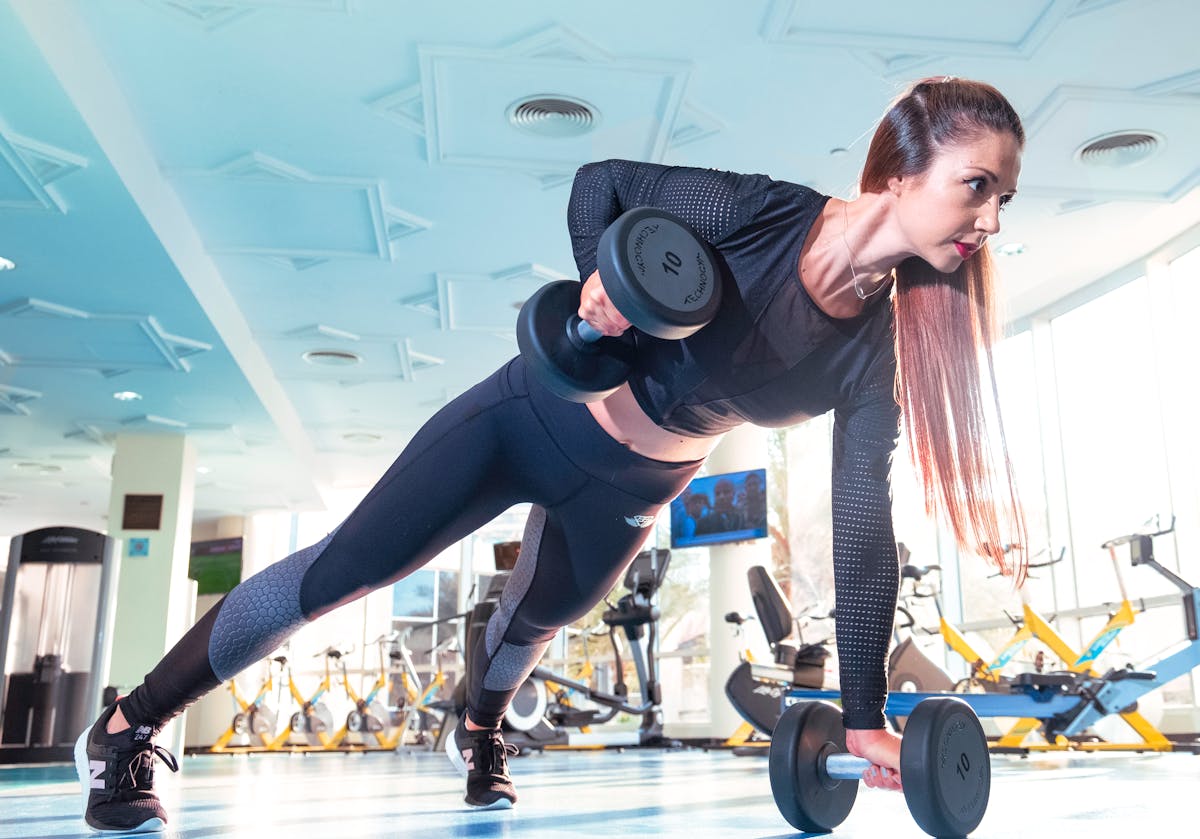
Runna creates running plans tailored to a goal, whether that is a first 5K or a marathon, and adapts them to your pace and schedule.
- Best for: runners training toward a specific distance or time.
- Strength: a structured, goal-oriented plan rather than generic advice.
- Watch for: training plans assume you are able to follow the load. If you get injured, back off and seek advice rather than pushing through.
Aaptiv: For the Audio Person
Aaptiv uses audio-led workouts where a trainer guides you with voice and music, a bit like a class in your headphones.
- Best for: people who prefer being coached by voice and do not want to stare at a screen.
- Strength: flexibility to work out anywhere with just headphones.
- Watch for: audio-only guidance offers less visual demonstration, so new exercises may be harder to learn. Confirm the current features and pricing before subscribing.
Quick Comparison
| App | Best for | Main strength | Watch out for |
|---|---|---|---|
| Fitbod | Lifters | Adaptive strength plans | No form correction |
| Freeletics | Home and bodyweight training | Little equipment needed | Intensity can be high |
| Future | Accountability seekers | Human coach | Higher cost |
| Runna | Runners | Goal-based training plans | Injury risk if load is too high |
| Aaptiv | Audio-guided workouts | Coached by voice anywhere | Less visual demonstration |
What an App Cannot Do
Even the best app has limits, and it helps to know them:
- Correct your form in real time. Poor technique is the most common route to avoidable injury. Video, a mirror, or a session with a qualified coach helps.
- Know your medical history. Apps ask a few questions, but cannot replace advice from a doctor or physiotherapist about your body.
- Feel your fatigue. A plan is a guess about what you can handle. Rest, sleep, and stress affect readiness, and you have to listen to your body.
- Make you show up. Motivation still comes from you, your schedule, and the people around you.
A Simple Way to Choose
- Pick the type. Use the trainee types above to narrow to one or two apps.
- Use a free trial. Do at least three real sessions, not just a look around.
- Test it on a bad day. If you can still finish a session when you are tired and busy, the app fits your life.
- Check the exit. Understand how billing works and how to cancel before you enter payment details.
- Review after a month. Ask whether you trained more consistently than before. If not, try a different style rather than blaming yourself.
Building a Routine That Lasts
Apps help most when they support a routine, not when they are the routine. A few habits make a difference:
- Schedule sessions like appointments. Put them in your calendar at a fixed time.
- Start smaller than you think you should. Two or three sessions per week you can keep beats five you cannot.
- Track something simple. Sessions completed per week is more motivating than obsessing over numbers.
- Have a fallback workout. A short version for chaotic days keeps the habit alive.
- Rest on purpose. Recovery is part of training, not a lapse in it.
Frequently Asked Questions
Are AI fitness apps as good as a personal trainer?
They offer structure and convenience at a lower cost, but they cannot correct your form or adapt to how you feel in the moment the way a good trainer can. A hybrid, such as an app with a human coach, can bridge the gap.
Which app is best for beginners?
Beginners often benefit from guidance on technique and a gentle ramp-up. Audio-led or coach-supported options can help, but the best choice depends on whether you train at home or the gym. Start with lighter loads whichever you pick.
Can I use more than one app?
Yes. Some people use one for strength and another for running. Just make sure the combined workload is realistic, so you are not accidentally overtraining.
Do I need a wearable to use these apps?
Not usually. Some apps integrate with wearables for extra data, but you can typically train effectively with logging alone.
Final Verdict
Choose by trainee type. Lifters should look at Fitbod, home and bodyweight trainers at Freeletics, people who need accountability at Future, runners at Runna, and audio-workout fans at Aaptiv. Use a trial period, be honest about what fits your life, and keep expectations realistic about what an app can and cannot do.
Explore every fitness and wellness tool with community votes in the AIPick Health and Wellness category, and read how fitness fits with sleep, nutrition, and mental health in our guide to AI health and wellness tools.