Open any app store and search "AI health" and you will find thousands of results, from calorie counters to sleep trackers to apps that claim to check your symptoms. They all use similar language, but they are nothing alike. A step counter and a clinician-backed program for managing blood pressure are different categories of product with very different levels of evidence behind them.
That gap between marketing and substance is the main thing to understand before you choose anything in this space. This guide sorts health and wellness AI into six jobs, names a representative tool for each, and explains what to look for so you can tell a helpful tool from a well-designed pitch. Every tool here is listed on AIPick, where you can see community votes and add your own.
In this article
- Six Jobs Health and Wellness AI Does
- 1. Symptom Checking and Virtual Care: Ada Health
- 2. Mental Health Support: Lyra Health
- 3. Fitness Coaching: Fitbod
- 4. Nutrition and Eating Habits: Noom
- 5. Sleep and Recovery: Oura Ring
- 6. Chronic Condition Programs: Omada Health
- Quick Comparison
- How to Judge a Health App
- What Health AI Still Gets Wrong
- Frequently Asked Questions
- Can AI diagnose medical conditions?
- Are health apps private?
- Which type should I start with?
- Do free apps work as well as paid ones?
- Final Verdict
This is general information, not medical advice. No app can diagnose you or replace a qualified clinician. If you have urgent symptoms or think you may be having a medical emergency, contact local emergency services right away.
Health apps are not all the same kind of thing. The difference between "wellness" and "care" is the difference between a suggestion and a treatment.
Six Jobs Health and Wellness AI Does
- Symptom checking and virtual care: helping you understand symptoms and connect to a clinician.
- Mental health support: self-guided programs, coaching, and access to therapy.
- Fitness coaching: workout plans and training guidance.
- Nutrition and eating habits: food tracking, meal planning, and dietitian access.
- Sleep and recovery: wearables that track rest and readiness.
- Chronic condition programs: structured digital care for ongoing conditions.
Some tools blend jobs, but starting from the job you need keeps you from being dazzled by features you will never use.
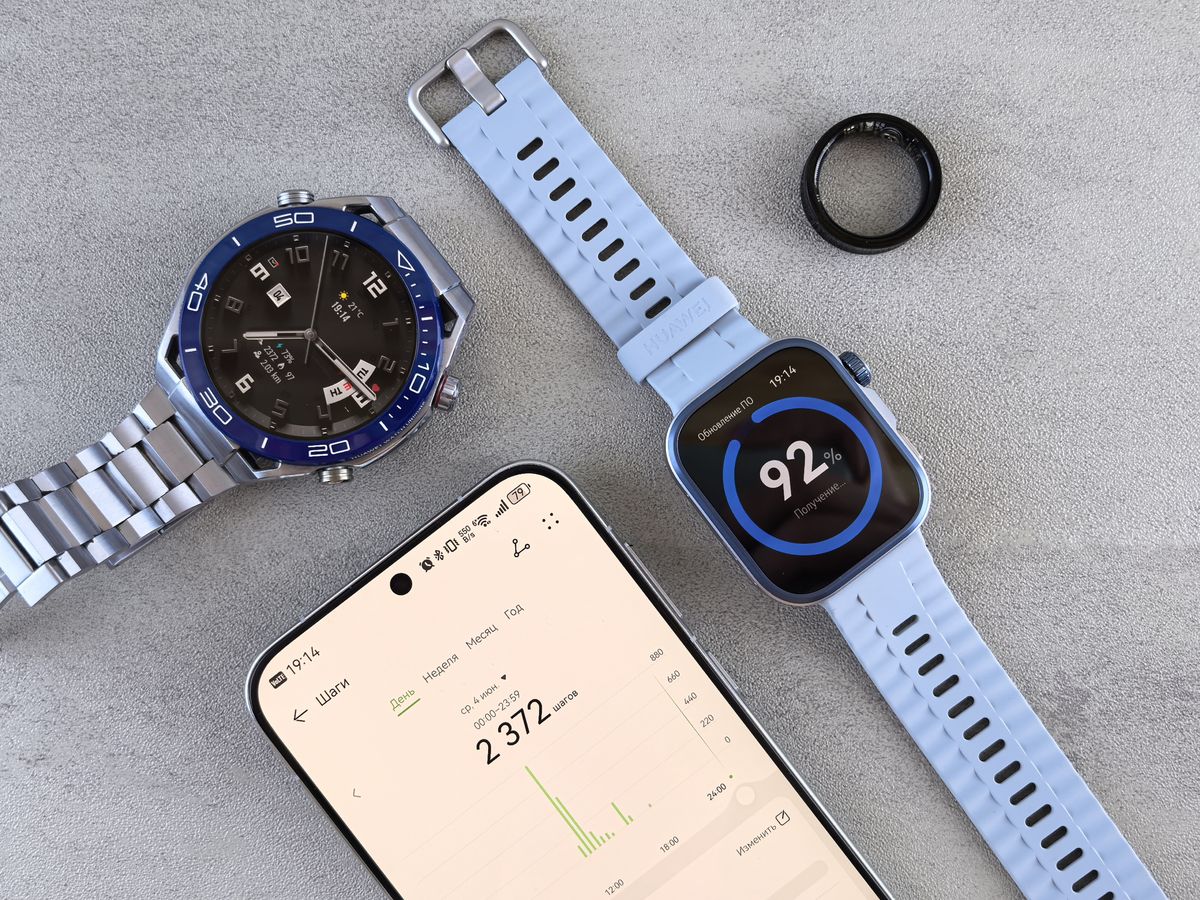
1. Symptom Checking and Virtual Care: Ada Health
Ada Health is a symptom assessment app. You answer questions about how you feel, and it suggests possible explanations and how urgently to seek care. It was developed with input from doctors, and it is designed to inform a decision, not to make a diagnosis.
- Best for: getting oriented before deciding whether to see a doctor.
- Watch for: a symptom checker can miss rare or unusual conditions and cannot examine you. Treat results as a starting point. K Health is a similar option that also connects users to clinicians.
2. Mental Health Support: Lyra Health
Lyra Health is a mental health platform commonly offered through employers, combining access to therapists and coaches with digital support.
- Best for: people whose employer or insurer offers it as a benefit.
- Watch for: availability depends on your employer or plan, and digital tools are best seen as a complement to, not a replacement for, professional care when you need it.
We look at this category more closely, including how to think about safety, in Best AI Mental Health and Therapy Apps.
3. Fitness Coaching: Fitbod
Fitbod builds strength-training workouts based on your goals, available equipment, and what you have logged, adjusting as you progress.
- Best for: people who lift and want structure without paying for a personal trainer.
- Watch for: an app cannot watch your form or account for injuries the way a coach in the room can. See Best AI Fitness Coaching Apps for more options.
4. Nutrition and Eating Habits: Noom
Noom is a behavior-focused program that pairs food logging with educational lessons and coaching, aiming at long-term habit change rather than a quick fix.
- Best for: people who want structure and coaching around eating habits.
- Watch for: it is a subscription program, and food tracking is not right for everyone. We cover the trade-offs in Best AI Nutrition Tracking Apps.
5. Sleep and Recovery: Oura Ring
Oura Ring is a wearable ring that tracks sleep, heart rate, and related signals, and turns them into readiness and recovery scores. Eight Sleep approaches sleep from the bed itself with temperature-controlled mattress covers.
- Best for: people curious about their sleep patterns and how habits affect them.
- Watch for: consumer wearables estimate, they do not measure like clinical equipment. Scores can also create anxiety about sleep in some people. If you have persistent sleep problems, talk to a professional.
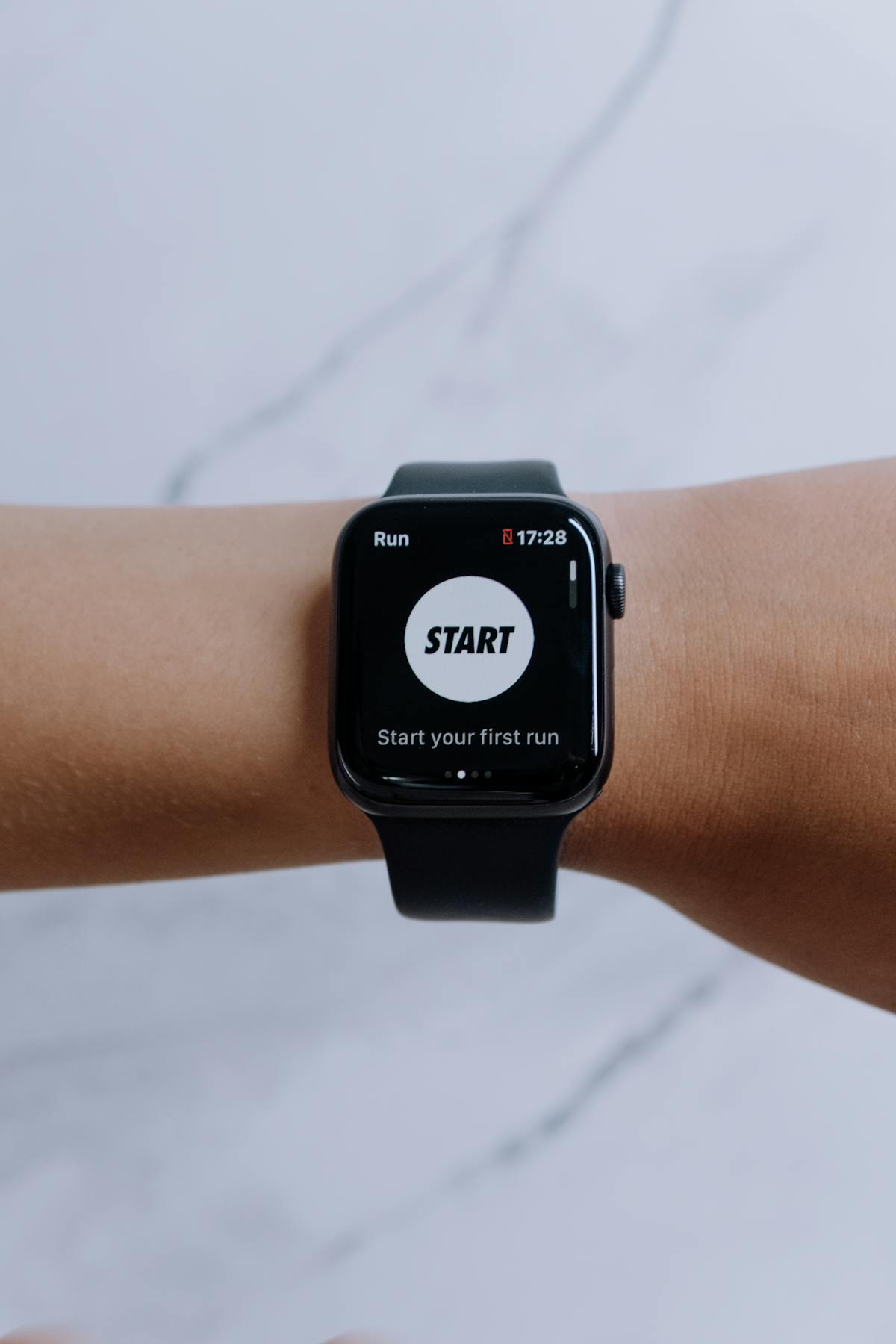
6. Chronic Condition Programs: Omada Health
Omada Health offers structured virtual programs for conditions such as diabetes prevention and blood pressure management, combining connected devices, coaching, and clinical oversight. Hinge Health does something similar for joint and muscle pain.
- Best for: people with a specific condition whose employer or insurer covers a program.
- Watch for: these are usually accessed through a plan or employer, and they work alongside your own doctor rather than instead of them.
Quick Comparison
| Job | Representative tool | Best for | Main watch-out |
|---|---|---|---|
| Symptom checking | Ada Health | Deciding whether to seek care | Cannot diagnose or examine |
| Mental health support | Lyra Health | Benefit-backed therapy and coaching | Availability via employer or plan |
| Fitness coaching | Fitbod | Structured strength training | No form correction |
| Nutrition | Noom | Habit-focused eating programs | Tracking not right for everyone |
| Sleep and recovery | Oura Ring | Understanding sleep patterns | Estimates, not clinical data |
| Chronic condition care | Omada Health | Structured condition programs | Usually via employer or plan |
How to Judge a Health App
Health tools deserve a higher bar than most software. Use this checklist:
- Ask what the claim is. "Helps you track" is very different from "treats" or "diagnoses." The stronger the claim, the more evidence you should expect.
- Look for clinical involvement. Are doctors, dietitians, or therapists involved in design and oversight, and are qualified humans available when needed?
- Check for published evidence. Independent studies matter more than testimonials.
- Read the privacy policy. Health data is sensitive. Find out what is collected, who it is shared with, and whether you can delete it.
- Know the escalation path. A good tool tells you when to see a professional and how.
- Watch the business model. Free apps may fund themselves with data or advertising. Subscriptions may be hard to cancel. Read the terms.
What Health AI Still Gets Wrong
- Overconfidence. Polished interfaces can make estimates feel like facts.
- Bias in the data. Models trained on limited populations can perform worse for people who were underrepresented.
- Privacy risk. Health information can be shared with third parties in ways users do not expect.
- Anxiety. Constant scores and alerts can make some people more worried, not healthier.
Frequently Asked Questions
Can AI diagnose medical conditions?
Consumer apps generally should not be treated as diagnostic. Symptom checkers can suggest possibilities and urgency, but a diagnosis requires a qualified clinician, often with an examination and tests.
Are health apps private?
It varies. Some are covered by health-privacy laws when they work with providers, while many consumer apps are not. Read the privacy policy, limit permissions, and avoid sharing more than necessary.
Which type should I start with?
Start with the problem you actually have. If it is sleep, look at sleep tools. If it is staying active, look at fitness coaching. If it is a medical concern, start with a clinician rather than an app.
Do free apps work as well as paid ones?
Sometimes, for basic tracking. Paid programs often add coaching, human support, or clinical oversight. Judge by what you need rather than price alone.
Final Verdict
Health and wellness AI is most useful when you match the tool to the job and keep realistic expectations. Use a symptom checker like Ada Health to get oriented, a benefit-backed platform like Lyra Health for mental health access, Fitbod for structured training, Noom for habit-focused eating programs, Oura Ring for sleep insight, and programs like Omada Health for managing a specific condition.
Above all, treat these tools as support for your own judgment and your relationship with real clinicians, not a replacement. Browse every option with community votes in the AIPick Health and Wellness category, then explore our guides to mental health and therapy apps, fitness coaching apps, and nutrition tracking apps.