Ask ten people why they want a nutrition app and you will hear ten different reasons. One wants to lose weight. Another wants to eat more protein. A third has a doctor's advice to manage blood sugar. A fourth simply wants to stop deciding what is for dinner every night. These goals call for very different tools, yet they all show up under the same search for "nutrition tracker."
This guide sorts the category into four approaches: photo-based logging, habit coaching, dietitian-led support, and meal planning. It compares five well-known apps, explains how accurate AI food recognition really is, and includes an important note on when food tracking may not be a good idea at all.
In this article
- Four Approaches to Eating Better With Apps
- Cal AI: Photo Logging for Speed
- Foodvisor: Recognition Plus Guidance
- Noom: Habits and Psychology
- Fay Nutrition: Access to Registered Dietitians
- Samsung Food: Meal Planning and Recipes
- Quick Comparison
- How Accurate Is AI Food Recognition?
- When Tracking May Not Be Right for You
- How to Choose
- Frequently Asked Questions
- Are photo calorie apps accurate?
- Do I need to count calories to eat well?
- Is Noom better than a dietitian?
- Can these apps help with medical conditions?
- Final Verdict
General information, not medical or dietary advice. Nutrition needs vary with health conditions, medications, age, and pregnancy. If you have a medical condition, or a history of difficulty with food or body image, talk to a doctor or registered dietitian before using tracking tools.
Counting food is a tool, not a virtue. The right approach depends on the problem you are actually trying to solve.
Four Approaches to Eating Better With Apps
1. Photo-based logging. Snap a picture of your meal and the app estimates what is in it. Fast and low effort, but estimates are approximate.
2. Habit and behavior coaching. Programs that pair logging with lessons and coaching, focused on why you eat the way you do rather than just what you eat.
3. Dietitian-led support. Access to a registered dietitian who can tailor advice to your health situation.
4. Meal planning. Tools that help you decide what to cook, build shopping lists, and reduce the daily "what's for dinner" burden.
Most people need only one of these. Choose the one that matches your real goal.
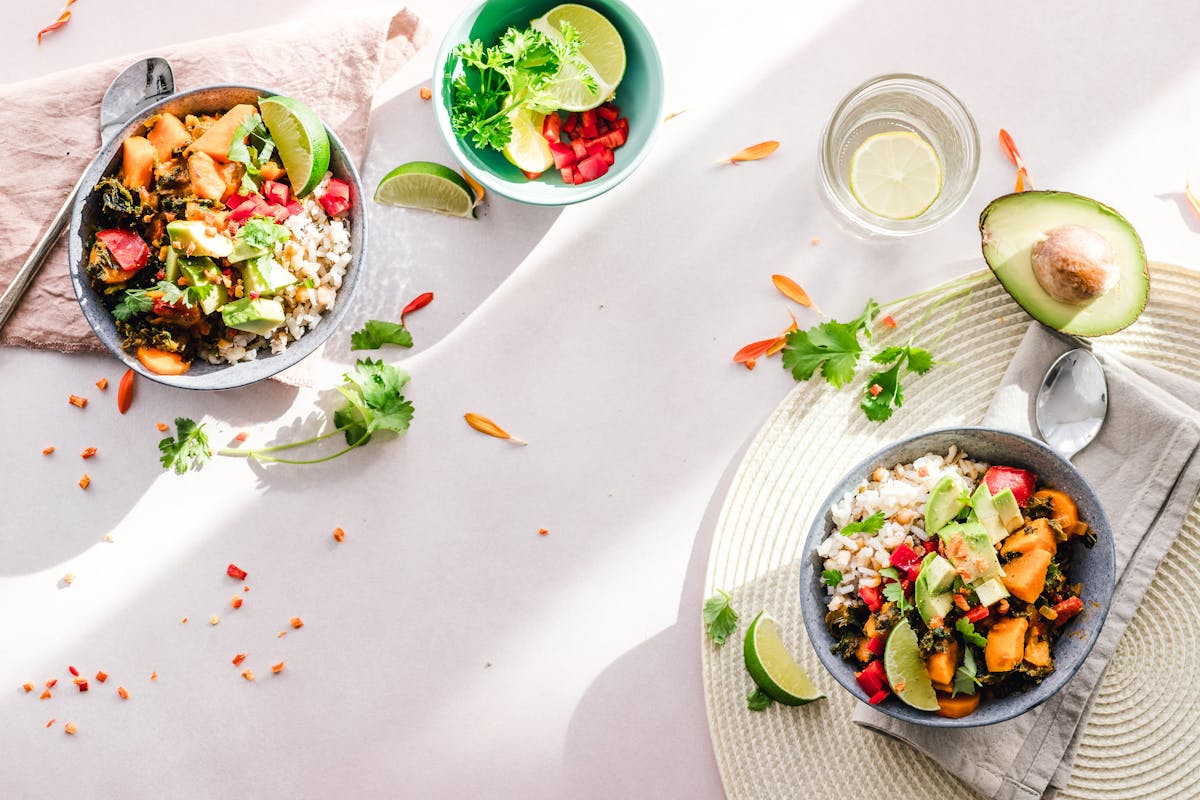
Cal AI: Photo Logging for Speed
Cal AI is built around a simple idea: take a photo of your food and get an estimated calorie and nutrient breakdown, instead of searching a database and weighing each ingredient.
- Best for: people who want the least possible friction in logging.
- Strength: speed. A photo takes seconds, so you are more likely to keep logging.
- Watch for: estimates from photos can be off, especially for mixed dishes, sauces, and portion sizes. Treat numbers as rough guides, not measurements.
Foodvisor: Recognition Plus Guidance
Foodvisor also uses image recognition to identify meals and estimate nutrition, and adds guidance features on top of the tracking.
- Best for: people who want photo logging with more structure around their goals.
- Strength: combines recognition with coaching-style support.
- Watch for: as with any recognition tool, review and correct the results, particularly for homemade and regional dishes that a model may not have seen often.
Noom: Habits and Psychology
Noom approaches nutrition through behavior change. It combines food logging with daily lessons and coaching that focus on the thinking and habits behind eating.
- Best for: people who feel their challenge is habits, cravings, or consistency rather than knowledge.
- Strength: an educational program with support, aimed at long-term change.
- Watch for: it is a subscription program, so check the pricing and cancellation terms. Some markets offer additional clinician-led options, which are separate and worth understanding before you sign up.
Fay Nutrition: Access to Registered Dietitians
Fay Nutrition connects people to registered dietitians who provide one-to-one guidance, and in some markets sessions may be covered by health insurance.
- Best for: people with a health condition or specific goal who want professional advice.
- Strength: human expertise from qualified professionals rather than automated suggestions.
- Watch for: availability, coverage, and pricing depend on where you live and your insurance. Confirm details before you book.
Samsung Food: Meal Planning and Recipes
Samsung Food is a recipe and meal-planning app that helps you save recipes, plan meals, and generate shopping lists, with AI features to suggest ideas.
- Best for: people whose main struggle is deciding what to cook.
- Strength: reducing decision fatigue and food waste through planning.
- Watch for: it is less about tracking nutrients precisely, so it may not suit someone who needs detailed monitoring.
Quick Comparison
| App | Approach | Best for | Watch out for |
|---|---|---|---|
| Cal AI | Photo logging | Fast, low-friction tracking | Approximate estimates |
| Foodvisor | Recognition plus guidance | Photo logging with support | Check and correct results |
| Noom | Habit coaching | Behavior-focused change | Subscription terms |
| Fay Nutrition | Dietitian-led | Health-specific guidance | Availability and coverage |
| Samsung Food | Meal planning | Deciding what to cook | Less precise tracking |
How Accurate Is AI Food Recognition?
Honestly, it is useful but imperfect. A few realities to keep in mind:
- Portions are hard. A photo cannot easily tell whether a serving is 150 grams or 250.
- Hidden ingredients are invisible. Oils, sugar, and butter in a dish rarely show up in a picture.
- Regional and homemade food is harder. Models learn from what they have seen, and some cuisines are better represented than others.
- Small errors add up. For a general sense of your eating patterns, photo estimates are often good enough. For precise medical needs, they are not.
The practical takeaway: use photo logging to build awareness and trends, not to chase exact numbers.
When Tracking May Not Be Right for You
Food logging works well for some people and poorly for others. Numbers, streaks, and targets can turn into stress or an unhealthy focus for some. Consider stepping back, and speaking with a doctor or registered dietitian, if you notice that:
- Logging makes meals feel anxious or guilt-ridden.
- You feel unable to eat without recording it first.
- You are thinking about food and numbers most of the day.
- You have a past or present difficult relationship with food or body image.
If any of that sounds familiar, a professional can suggest approaches that support your health without relying on strict tracking. There is no shame in choosing a gentler path.
How to Choose
- Name your goal. Faster logging, habit change, medical guidance, or meal planning point to different apps.
- Start with a free trial. See whether you will actually use it for a week.
- Check what you are paying for. Many apps have limited free tiers and subscriptions for full features.
- Read the privacy policy. Food and health data is personal. Learn what is collected and shared.
- Reassess regularly. If the app adds stress or stops helping, change approach.
Frequently Asked Questions
Are photo calorie apps accurate?
They are approximate. They can be helpful for spotting patterns and building awareness, but portion sizes and hidden ingredients make exact numbers unreliable. Do not use them for strict medical dietary needs.
Do I need to count calories to eat well?
No. Many people improve their eating through habit changes, planning meals, and paying attention to fullness and food quality without tracking numbers. Tracking is one option, not a requirement.
Is Noom better than a dietitian?
They serve different purposes. Noom offers a structured behavior program with coaching. A registered dietitian can provide advice tailored to your medical history and needs. If you have a health condition, professional guidance is the safer choice.
Can these apps help with medical conditions?
They can support general healthy habits, but medical conditions such as diabetes or kidney disease call for advice from a healthcare professional who knows your situation.
Final Verdict
Match the app to the problem. If you want fast, low-effort logging, look at Cal AI or Foodvisor. If your challenge is habits and consistency, look at Noom. If you need professional, personalized advice, look at Fay Nutrition. If your struggle is deciding what to cook, look at Samsung Food.
Whatever you choose, stay flexible, and step back if tracking stops helping you. Browse every option, with community votes and reviews, in the AIPick Health and Wellness category, and read how nutrition fits with fitness, sleep, and mental health in our guide to AI health and wellness tools.